Tooth, tissue or bone: choosing the right guide support
The support a guide rests on decides how accurately it seats. Tooth-supported guides are the most stable when enough teeth remain. Tissue-supported…
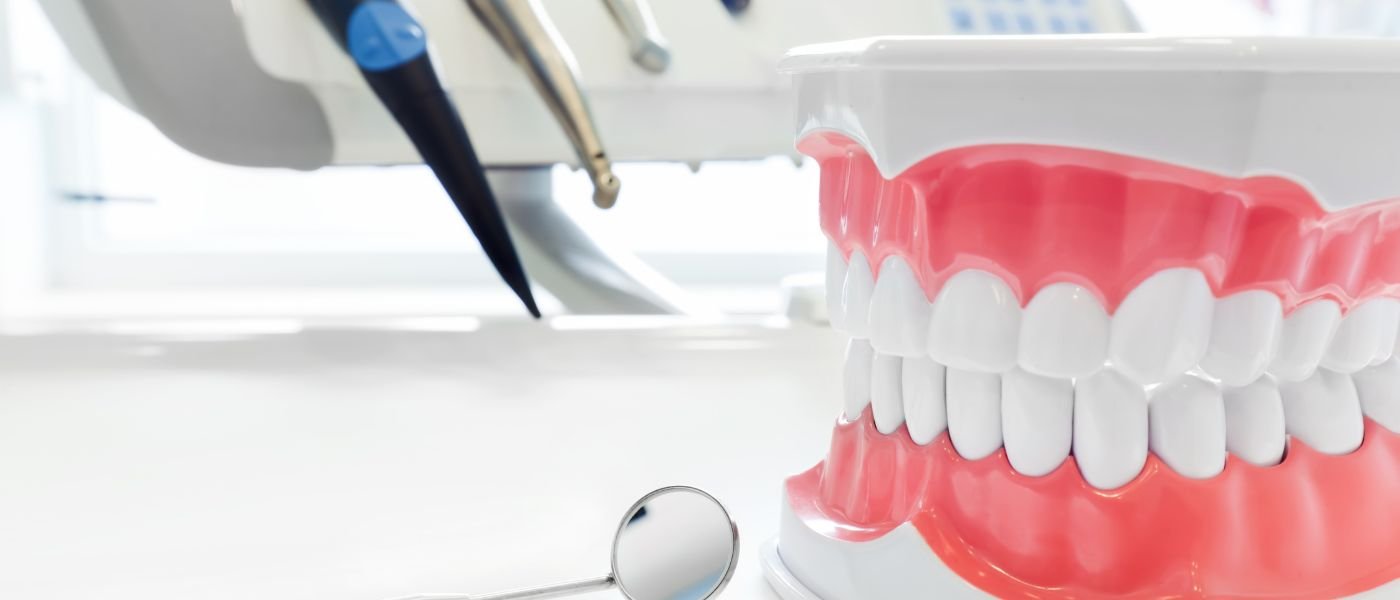
The support a guide rests on decides how accurately it seats. Tooth-supported guides are the most stable when enough teeth remain. Tissue-supported guides need fixation pins and a well-fitting scan appliance. Bone-supported guides are used after a flap is raised, usually together with bone reduction.
In practice
Every case is different, so treat this as a starting point and adapt it to your implant system, your equipment and your team. If something here does not match what you see in your own workflow, ask Y Medic before the case, not during it.
Checklist
- Confirm the records are complete before design starts.
- Approve the plan on screen; ask for changes in writing.
- Try the guide on the model before the day of surgery.
More from the team.
 Guided surgeryTooth, tissue or bone: choosing the right guide supportThe support a guide rests on decides how accurately it seats. Tooth-supported guides are the most stable when enough teeth…Read
 PlanningWhat to send with a CBCT so the plan is right first timeA good plan starts with good records: a CBCT with the teeth slightly apart, an intra-oral scan of both arches…Read
 Guided surgeryWhy a guide does not seat, and how to check before surgeryMost seating problems come from the scan, not the design: distortion across the arch, movement during the CBCT, or printing…Read
 3D printingPrinting surgical guides in-house: a short validation routinePrint a calibration piece with every build, measure it, and record the result. Check sleeve fit with the actual sleeve.…Read
Send the scan. We will take it from there.
New clients receive a starter pack with the fee schedule and shipping labels.